Green Coffee Beans Export Guide for International Buyers
Green coffee beans remain one of the most traded agricultural commodities in the international food and beverage industry. As global coffee consumption continues expanding across Europe, the United States, Asia, and the Middle East, international buyers increasingly require structured coffee export operations capable of supporting bulk supply, export coordination, quality control, and global logistics.
For importers, distributors, coffee roasters, wholesalers, and food manufacturing companies, understanding how green coffee bean export works is essential before sourcing products for commercial operations. From coffee grading and packaging to shipping preparation and export documentation, the international coffee trade depends heavily on consistency, logistics coordination, and supplier reliability.
At coffeeandcocoaexport.com, international B2B buyers can explore bulk coffee supply solutions, export services, and international shipment support for wholesale coffee operations.
What Are Green Coffee Beans?
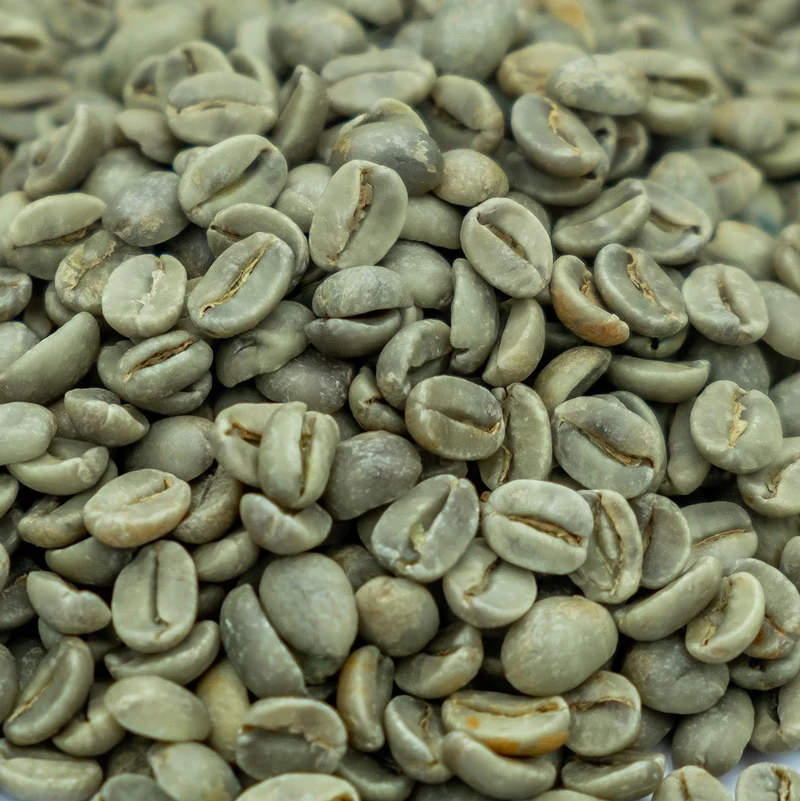
Green coffee beans are unroasted coffee beans processed from coffee cherries before roasting takes place. These beans are the raw material used by coffee roasters, beverage manufacturers, speciality coffee businesses, and commercial coffee distributors worldwide.
Green coffee beans are primarily divided into two major commercial categories:
Arabica coffee is generally associated with smoother flavour profiles and speciality coffee markets. In contrast, Robusta coffee is widely used in commercial coffee blends, espresso production, and instant coffee manufacturing due to its stronger profile and higher caffeine content.
Green coffee beans are traded internationally in large quantities and are commonly supplied to:
- coffee roasting companies
- beverage manufacturers
- wholesale distributors
- private label brands
- food service businesses
- commodity trading companies
Global Demand for Green Coffee Beans
International demand for green coffee beans continues to expand due to rising coffee consumption and growth in speciality coffee markets. According to the International Coffee Organisation, coffee consumption remains strong across developed and emerging markets, particularly in Europe, North America, and Asia.
Several regions currently represent major opportunities for international coffee exporters:
United States
The United States remains one of the world’s largest coffee import markets. Commercial buyers frequently source green coffee beans for:
- private roasting operations
- wholesale coffee distribution
- retail coffee packaging
- food service supply chains
Relevant market page:
Bulk Coffee & Cocoa Supplier USA
Europe
European coffee demand continues to grow across speciality coffee shops, roasting companies, and commercial food businesses. Countries such as Germany, Italy, France, and the Netherlands remain major coffee-importing destinations.
Relevant market page:
Coffee & Cocoa Supplier Europe
Asia
Asian coffee consumption has increased significantly due to changing consumer habits and expanding café markets. Countries including China, Japan, South Korea, and Southeast Asian regions continue to increase coffee imports.
Relevant market page:
Bulk Coffee & Cocoa Export Asia
Green Coffee Bean Export Process
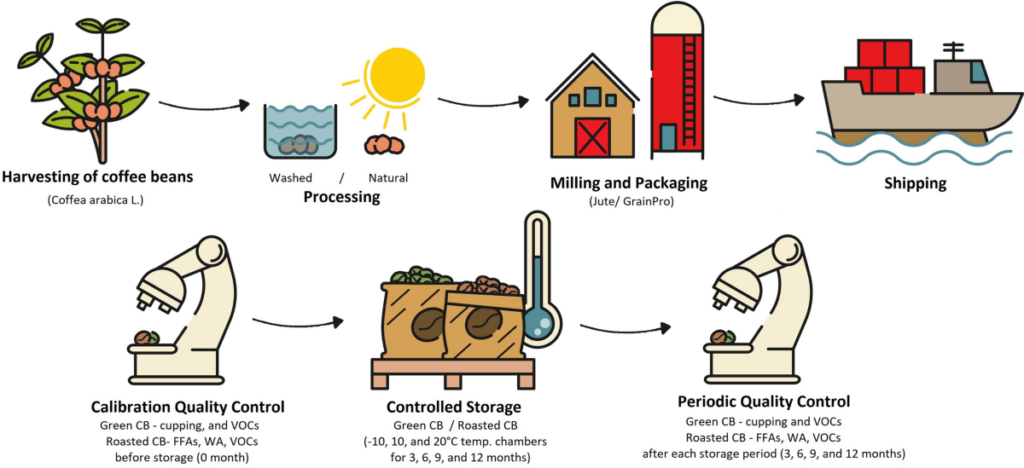
The international export process for green coffee beans involves multiple operational stages designed to maintain product quality and shipment efficiency.
Coffee Sourcing and Selection
Coffee exporters typically source green coffee beans based on:
- bean variety
- origin
- moisture levels
- grading standards
- processing method
- buyer specifications
International buyers often require detailed product specifications before shipment coordination begins.
Quality Control
Quality control plays a major role in coffee export operations. Commercial buyers frequently evaluate:
- moisture consistency
- bean defects
- bean size
- foreign matter
- cup profile
- packaging condition
Relevant service page:
Coffee & Cocoa Quality Control
Strong quality control procedures help reduce export risks and improve consistency for wholesale buyers.
Export Coordination
Once supply requirements are confirmed, export coordination includes:
- shipment planning
- documentation preparation
- logistics scheduling
- container booking
- packaging preparation
Relevant service page:
Coffee Export Services
Packaging and Bulk Shipping
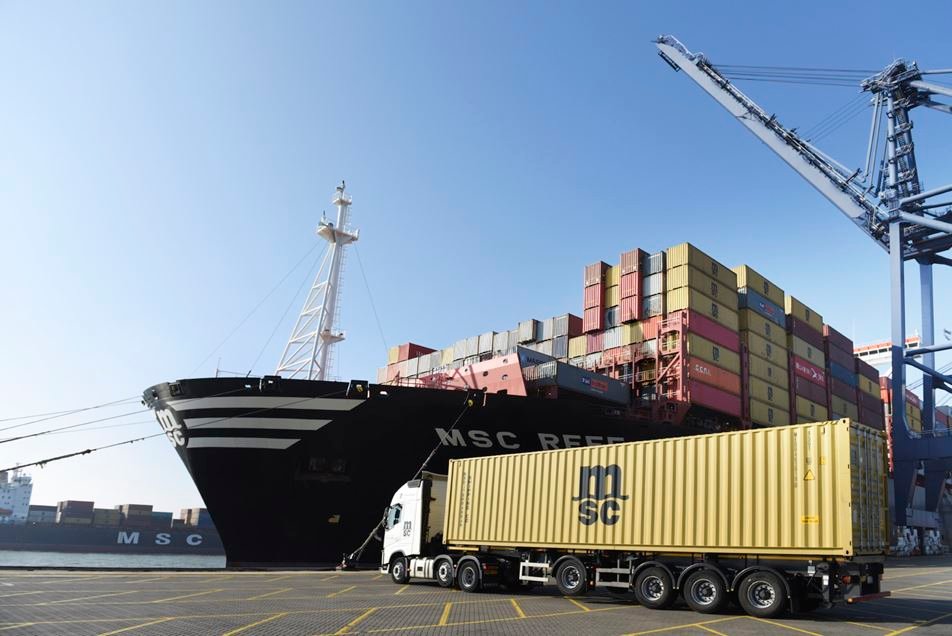
Packaging and freight preparation are critical in maintaining green coffee bean quality during international transportation.
Common Packaging Methods
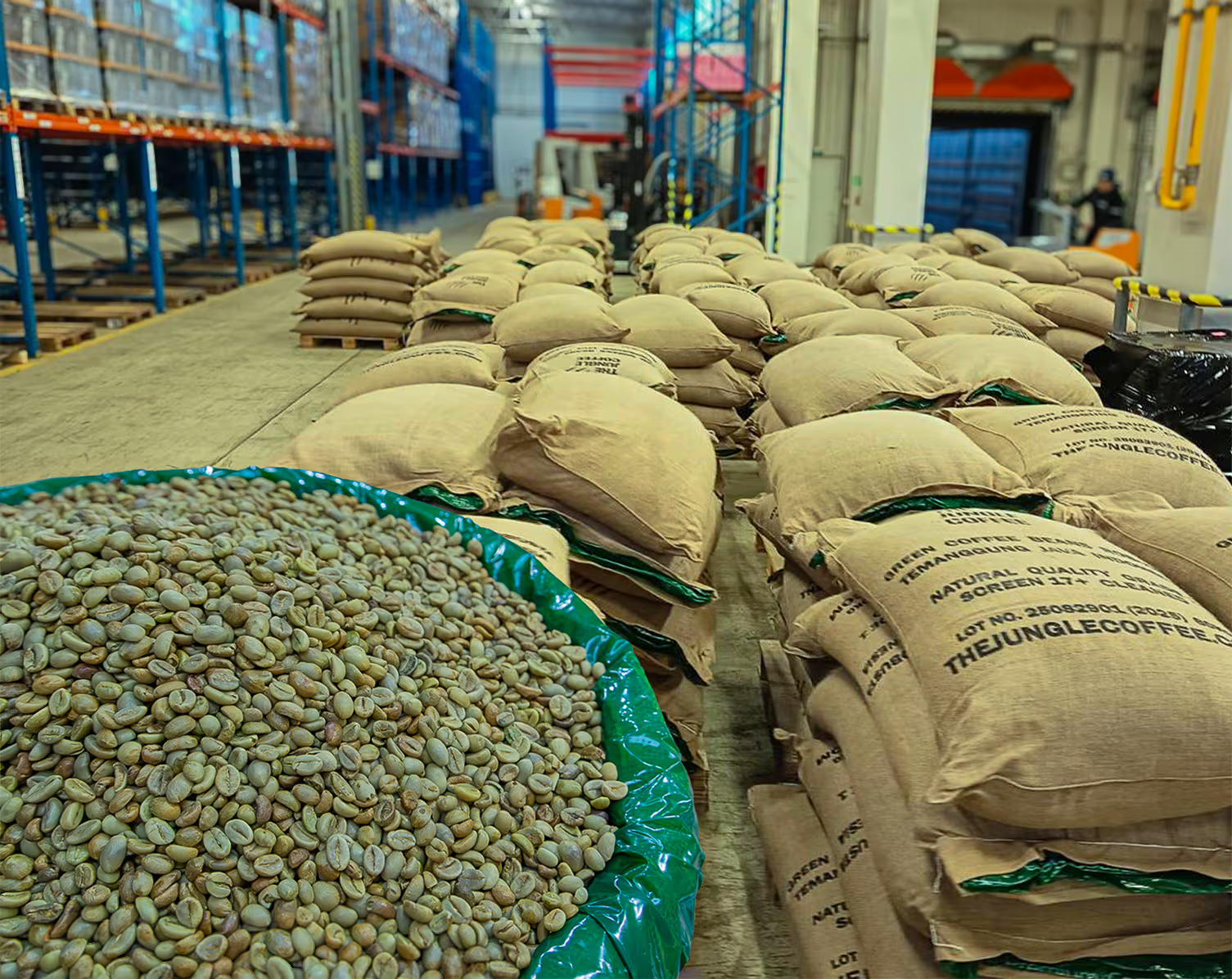
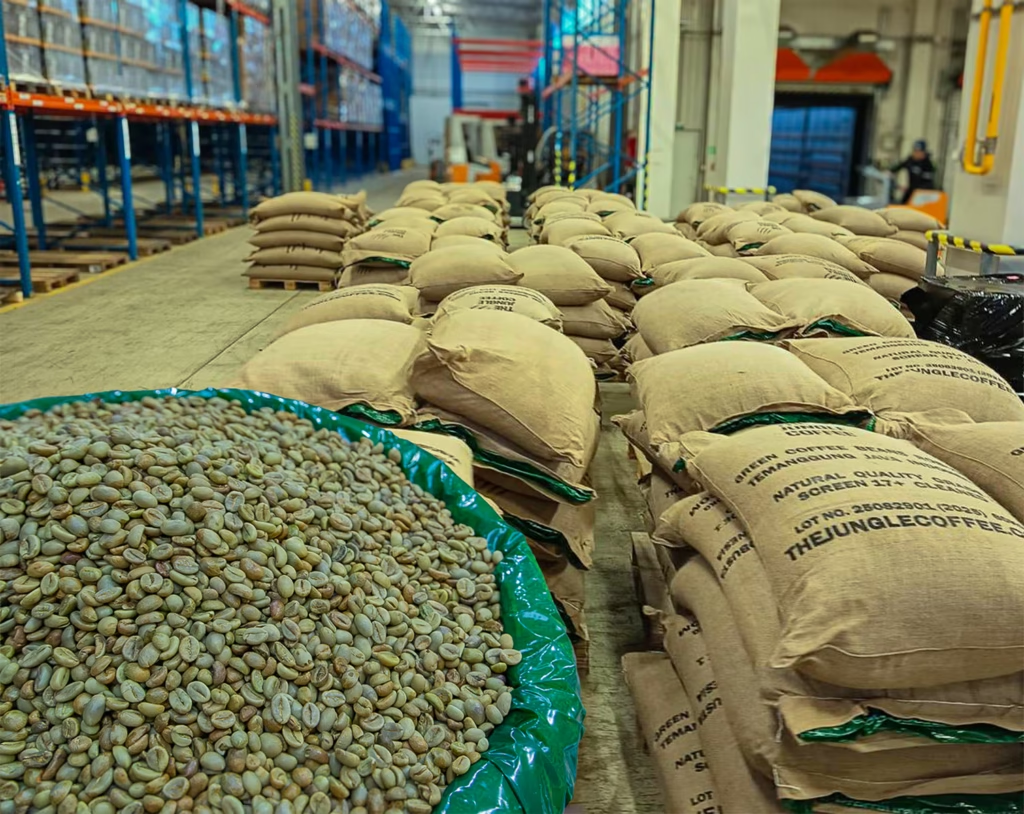
Green coffee beans are commonly packed using:
- jute bags
- polypropylene sacks
- bulk bags
- containerised pallet shipments
Packaging methods may vary depending on:
- destination market
- buyer preference
- shipment volume
- climate considerations
Container Shipping
Most commercial coffee exports move through:
- 20-foot containers
- 40-foot containers
- palletised freight systems
Maintaining proper ventilation and moisture protection is essential during ocean freight transportation.
Relevant logistics resources:
Documentation Required for Coffee Export
International coffee export operations generally require several commercial and regulatory documents depending on the destination country.
Common export documentation may include:
- commercial invoice
- packing list
- certificate of origin
- phytosanitary certificate
- bill of lading
- export declaration forms
Accurate export documentation helps reduce customs delays and supports smoother international shipment coordination.
Related guide:
Coffee Export Documentation Guide
Additional trade information can also be referenced through:
ITC Trade Map
Choosing a Green Coffee Bean Supplier
Selecting the right green coffee supplier is important for international B2B buyers operating within wholesale coffee markets.
Buyers often evaluate suppliers based on:
- export experience
- communication consistency
- supply capability
- quality management
- shipment coordination
- operational transparency
Professional suppliers should also demonstrate a clear understanding of:
- international logistics
- export documentation
- freight coordination
- buyer requirements
- packaging standards
Relevant supply page:
Bulk Coffee Supply
Green Coffee Bean Market Trends
The international coffee sector continues evolving due to changing consumer preferences and global trade developments.
Speciality Coffee Growth
Speciality coffee demand continues to increase across:
- North America
- Europe
- Asia-Pacific regions
This trend has increased demand for traceable green coffee supply chains and consistent quality standards.
Sustainability and Traceability
Commercial buyers increasingly prioritise:
- sustainable sourcing
- transparent supply chains
- responsible production practices
- product traceability
Relevant company resource:
Sustainable Coffee & Cocoa Supply
Export Market Expansion
International coffee demand remains strong due to expanding food service sectors, retail coffee brands, and global beverage consumption.
Additional market information can also be referenced through:
USDA Foreign Agricultural Service
International Coffee Export Operations
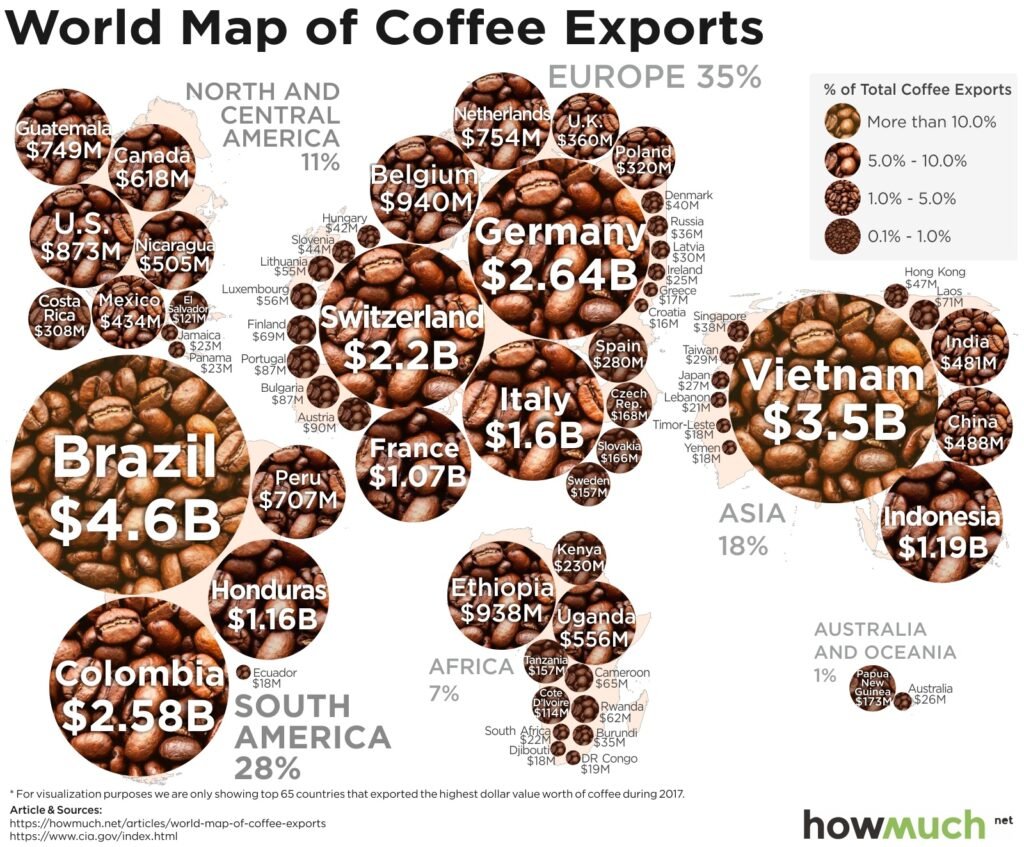
International coffee export requires more than simply supplying products. Successful export operations depend on:
- product consistency
- export coordination
- documentation management
- logistics planning
- quality standards
- communication reliability
As global coffee demand continues expanding, international buyers increasingly seek suppliers capable of supporting long-term wholesale supply operations and structured export processes.
Businesses seeking wholesale green coffee supply, export coordination, or international shipment support can explore:
This article is part of the growing coffee export knowledge ecosystem at coffeeandcocoaexport.com, focused on international B2B coffee and cocoa trade.